Yes, LED lights are generally safe for continuous use. The real safety depends on two things: how well heat can escape and how good the bulb’s internal driver is.
This matters because even though LEDs run cooler than older bulbs, the base still warms up over time. The U.S. Department of Energy explains that LEDs emit very little heat, while incandescent bulbs release about 90% of their energy as heat.
Quick answer
- Safe for overnight/24/7? Usually, yes, with a quality bulb and the right fixture.
- Most common issues: enclosed fixtures trapping heat + flicker from cheap drivers.
- For better sleep: warm light + lower brightness at night.
So, are LED lights safe for continuous use? Yes, most quality LEDs are, as long as heat can escape and the driver is stable.
Is It Safe to Leave LED Lights On Overnight or 24/7?
Since we’ve already settled the big concern, the next step is making sure your setup doesn’t create problems over time.
Heat Output and Fire Risk
LEDs are safer than older bulbs in one big way: less heat overall. That’s a real advantage for long-hour use.
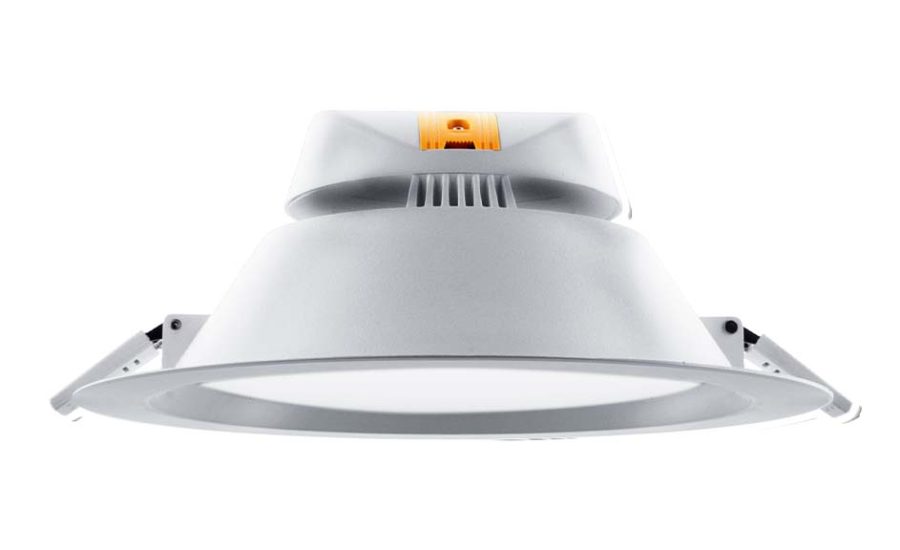
But here’s the detail that keeps this trustworthy: LEDs still create heat at the base, and that heat needs a path out. ENERGY STAR explains that LEDs use heat sinks to absorb heat and release it into the surrounding air, and that thermal management is key to long performance.
The Enclosed Fixture Mistake Most People Miss
This is where overnight use can go wrong, not because LEDs are “dangerous,” but because the fixture doesn’t let the bulb breathe.
Simple rule:
If the box says “not for enclosed fixtures,” don’t use it in sealed domes or fully covered fittings.
Signs Your Bulb is Running Too Hot:
- The base feels unusually hot
- The bulb dims or flickers after long use
- The bulb dies earlier than expected
LED vs Incandescent Safety
Building on the heat point, here’s why LEDs are the go-to choice for long use.
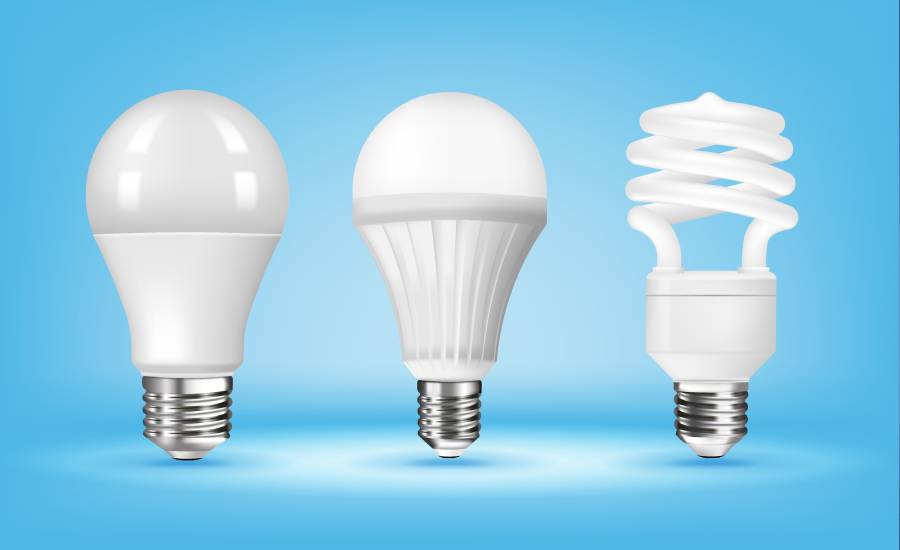
Incandescent bulbs waste most energy as heat. DOE notes they release about 90% of their energy as heat, while LEDs emit very little heat. That’s why incandescents feel hot and can raise fixture temperature fast.
What that means in plain terms:
With incandescent bulbs, overnight use often means more heat in the fixture. With LEDs, overnight use is usually about fixture fit + bulb quality, not heat pouring into the room.
| Feature |
LED |
Incandescent |
What it means for you |
| Heat output |
Emits very little heat |
Releases most energy as heat |
LEDs are safer for long hours because fixtures stay cooler |
| Fire/fixture stress |
Heat is managed through a heat sink |
Heat builds up in the bulb + fixture |
LEDs still need airflow; incandescents can overheat small fixtures |
| Lifespan |
Much longer life |
Much shorter life |
Fewer replacements and fewer “failed bulb” surprises |
| Leaving lights on overnight |
Usually fine with the correct fixture |
Runs hotter for the same time |
Overnight use is more comfortable/safer with LEDs (less heat) |
| Switching on/off |
Turning on/off doesn’t reduce LED life |
No major issue, but inefficient |
Great for sensors and frequent switching |
| Comfort (flicker) |
Depends on driver/dimmer quality |
Generally steady light |
Cheap LEDs can flicker; quality ones feel smoother |
Can LED Lights Cause Eye Strain?
Since heat isn’t the main issue for most people, eye strain is usually what makes someone hate their lighting.
1. Flicker and Visual Fatigue
A lot of LED eye strain is caused by flicker from low-quality drivers or dimmer mismatch. IEEE 1789 discusses potential health risks associated with low-frequency modulation (flicker) and why controlling it matters.
Fast Fixes That Actually Work:
- If a room gives headaches, change one bulb first and test.
- For work/study spaces, avoid the cheapest unknown drivers.
- Use dimmable LEDs only with LED-compatible dimmers.
2. Reducing LED Glare
Once flicker is handled, glare is the next culprit. If the light source sits in your direct line of sight, your eyes get tired faster.
Better setup:
- Bounce light off a wall (indirect light)
- Avoid bare bulbs at eye level
- Match brightness to the job (don’t over-light small rooms)
Blue Light and Sleep: What to Do After Sunset
Since we’ve already talked about eye comfort, the next layer is how light affects your sleep timing.
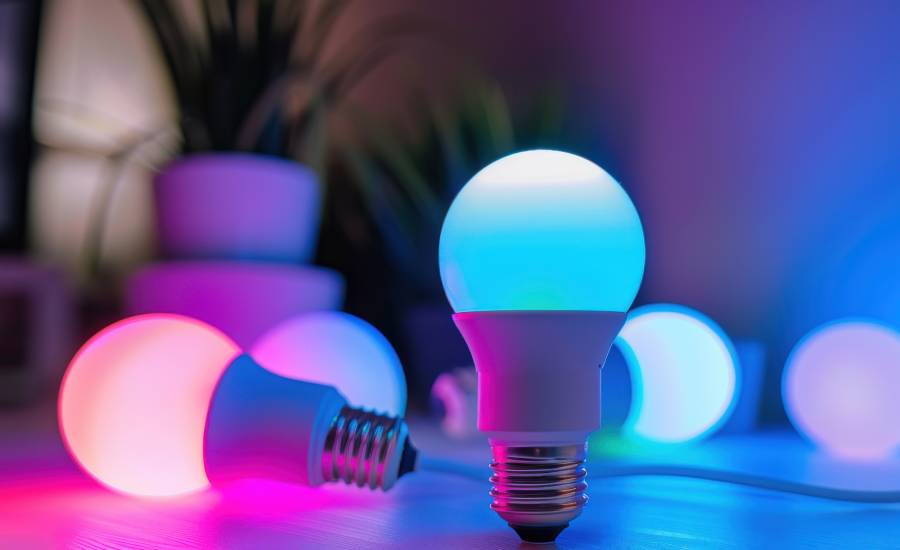
Harvard Health notes that while all light can suppress melatonin, blue light at night does so more strongly and can shift circadian rhythm more than other light of similar brightness.
What this means for leaving LED lights on overnight: It’s usually not a safety issue. It’s a sleep quality issue if the light is bright and cool-toned.
Best LED Color Temperature for Sleep
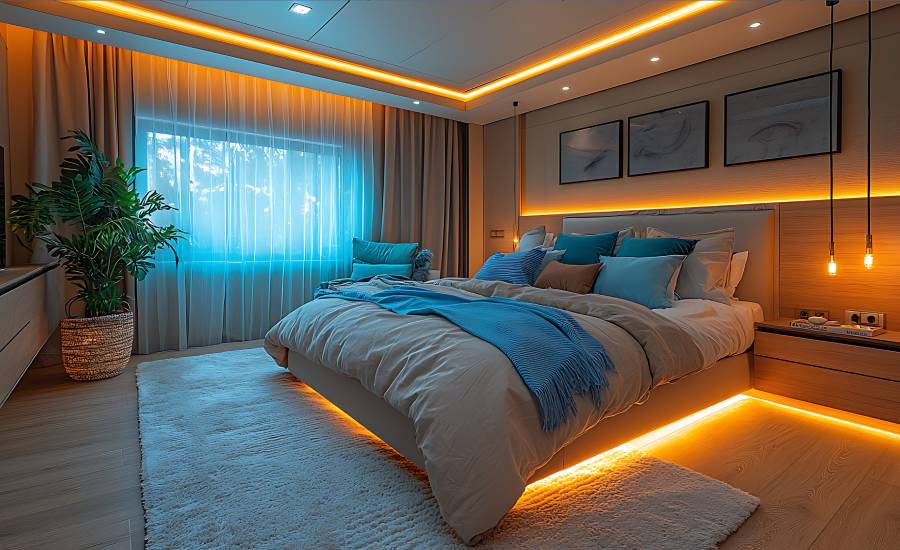
- 2700K–3000K (warm white) in the evening
- Keep brightness lower during wind-down
- Use lamps/indirect lighting instead of harsh overhead glare
Now that you’ve handled heat, comfort, and sleep, the last step is choosing products that are built for long hours.
How to Choose LEDs for Long Hours
Since the risks are mostly about heat handling and flicker, shopping becomes easier when you know what to check.
What to look for:
- Clear fixture guidance (especially enclosed fixture compatibility)
- Stable driver (less flicker risk)
- Good thermal design (heat sink matters)
- A real warranty with clear terms (not vague promises)
LED Safety Checklist
Since you’ve seen what actually causes problems, use this before calling any bulb “safe for long-hour use”:
- Fixture check: Avoid enclosed fixtures unless the bulb is rated for them.
- Heat check: LEDs emit very little heat vs incandescents, but the base still needs airflow.
- Flicker check: headaches/eye fatigue often point to driver or dimmer issues.
- Night check: switch to warm light and lower brightness to support sleep.
Final Verdict
In most homes and workspaces, yes, especially when the bulb is well-made, and heat can escape from the fixture.
If you also control flicker in work areas and shift to warm, dim light at night, your lighting stops being something you “tolerate.” It just supports your day quietly and reliably.
Which bulb suits your room? Browse from Hyundai LED categories (Track Lights / Panel lights / Bulb lights) and pick based on fixture type + Kelvin + warranty, or contact us for a model recommendation.
Frequently Asked Questions (FAQs)