Walk into any room, and the first thing you feel is the light. It can make a space look calm, cozy, sharp, or just plain uncomfortable. That’s why learning how to choose the right LED light for a room isn’t about grabbing the brightest bulb; it’s about choosing the right brightness, color tone, and placement for how you actually live.
In this guide, I’ll show you how to choose the right LED light for a room using simple steps: lumens (brightness), Kelvin (color), CRI (how real colors look), and a quick way to calculate how many LED lights are needed per room.
How to Choose the Right LED Light for a Room (Fast Method)
- Pick brightness: Room size × lumens/sq. ft. = total lumens
- Pick color tone: 2700K–3000K (cozy) | 3500K–4000K (balanced)
- Pick quality: CRI 80+ and dimmer compatibility (if needed)
Start With Brightness: Lumens Matter
Choosing the right LED light for a room starts with comfort. Let’s talk about the backbone of every lighting plan: brightness.
1. Lumens vs Lux
If you’re used to watts, think of lumens as the real brightness measure. With LEDs, lumens tell you how bright the light is; more lumens = more light. People also hear “lux,” but here’s the easy way to remember it: lumens is what the bulb produces, lux is what lands on a surface. For home planning, lumens are usually all you need.
2. Lumens & Kelvin by Room
| Room |
Lumens per sq. ft. |
Recommended Kelvin |
Best For |
| Living Room |
10–20 |
2700K–3000K |
Relaxation, entertaining, soft ambiance. |
| Bedroom |
10–20 |
2700K–3000K |
Rest, winding down (warm light helps melatonin). |
| Kitchen (General) |
30–40 |
3000K–3500K |
General movement and social cooking. |
| Kitchen (Task) |
70–80 |
3500K–4000K |
Countertops and prep areas (need more clarity). |
| Dining Room |
30–40 |
2700K–3000K |
Warm, appetizing meals and gatherings. |
| Bathroom |
70–80 |
3500K–4000K |
Grooming/Makeup (requires higher light and neutral tones). |
| Study/Office |
50–75 |
3500K–4000K |
Focus and screen work (cooler light boosts alertness). |
| Hallway/Stairs |
5–15 |
2700K–3000K |
Safe passage without being too bright. |
The higher ranges (like kitchen task and bathroom mirror) are best as task lighting, not whole-room brightness.
If you’re ever stuck, this one tip helps: warm light feels cozy, neutral light feels balanced, cool light feels alert.
Choosing LED Lights for Small Rooms
Now that you’ve got a brightness target, the next problem is common: small rooms can feel harsh fast.
Small spaces don’t need “more lights.” They need smarter layering. Too much brightness makes the room feel like a clinic. Too little makes it dull.
A Simple, Small-Room Lighting Plan
- Ambient light: one ceiling fixture for overall brightness
- Task light: a reading lamp or desk light where you actually work
- Accent light: a soft lamp or strip light to add warmth
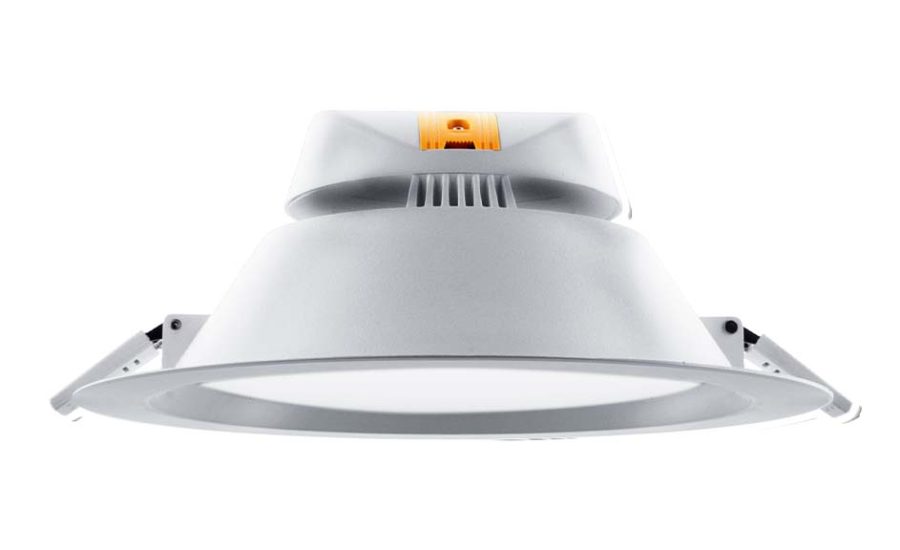
- Spacing tip for downlights/recessed lights.
Downlight Spacing Tip
If you’re using recessed lights on a normal ceiling, a good starting point is about 5–6 feet apart. If your ceiling is higher, spacing usually needs to widen slightly, but the real goal stays the same: no bright “hot spots” and no dark corners.
Choosing LED Lights for Large Rooms
Once you understand small rooms, large rooms get easier, because the strategy flips. Big spaces need zones.
A single strong ceiling light often creates glare in the middle and shadows everywhere else. Instead, break the room into areas.
Use Zones Instead of One Big Light
- General zone: ceiling lights for even coverage
- Task zone: floor lamp near seating, pendant above a table, desk lamp in a work corner
- Accent zone: wall lights, strip lighting, or a lamp that softens a dark corner
Quick Room Lighting Calculation (No Overthinking)
- Measure your room (length × width = sq. ft.)
- Multiply by recommended lumens per sq. ft.
- Divide by lumens per bulb/fixture.
Example:
A 180 sq. ft. living room × 15 lumens/sq. ft. = 2,700 total lumens
If each bulb is 800 lumens, you need about 3–4 bulbs/fixtures (depending on layering).
Choose the Right Color Temperature (Kelvin)
Now that you can calculate brightness, the next piece of how to choose the right LED light for a room is picking the color tone. Kelvin (K) tells you how warm or cool the light looks.
Kelvin Cheat Sheet (Warm vs Neutral vs Cool)
- 2700K–3000K: warm and cozy (great for bedrooms + living rooms)
- 3500K–4000K: neutral/bright (great for kitchens + offices).
- 5000K–6500K: cool/daylight (can feel harsh inside homes, better for garages or very task-heavy spaces)
If you want your home to feel calm at night, warm light is your best friend.
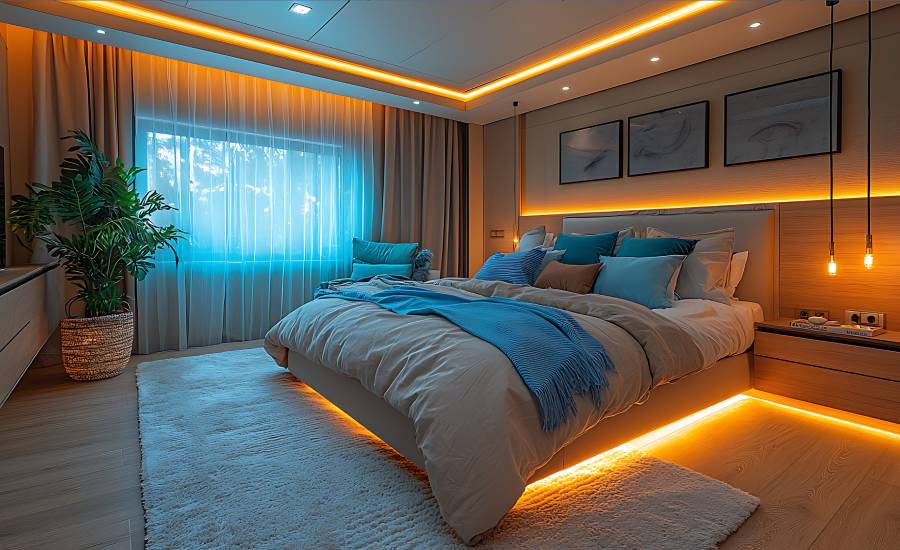
Best LED Lights for Bedrooms
Since Kelvin matters most when you’re trying to relax, bedrooms deserve their own section. For most bedrooms, the goal is simple: soft, warm, and adjustable.
Bedroom targets
- Lumens per sq. ft.: 10–20
- Kelvin: 2700K–3000K
Best setup: dimmable ceiling light + two bedside lamps
If your bedroom feels “too bright” even with warm light, it’s usually a placement issue. Swap harsh overhead glare for lamps, or use a shade/diffuser.
Types of LED Room Lights
Now that you know brightness and color, picking the type of light becomes way easier.
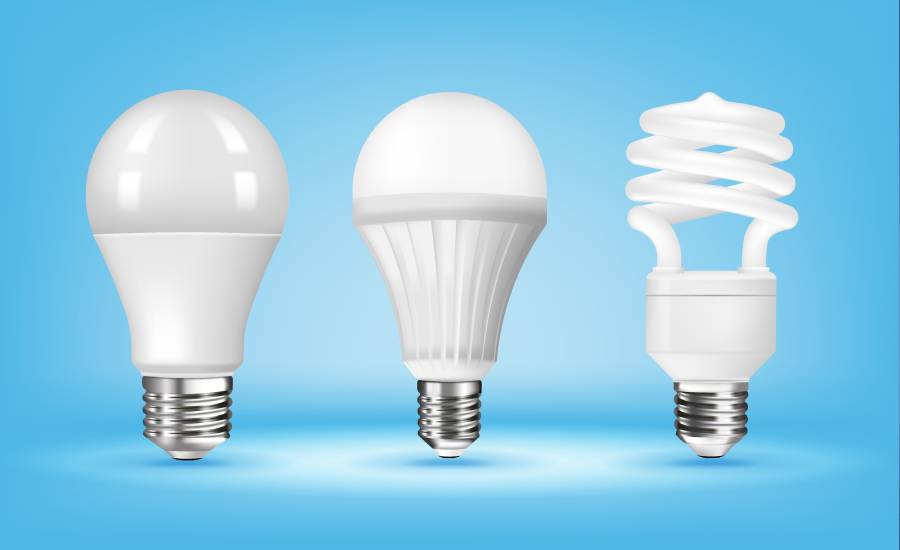
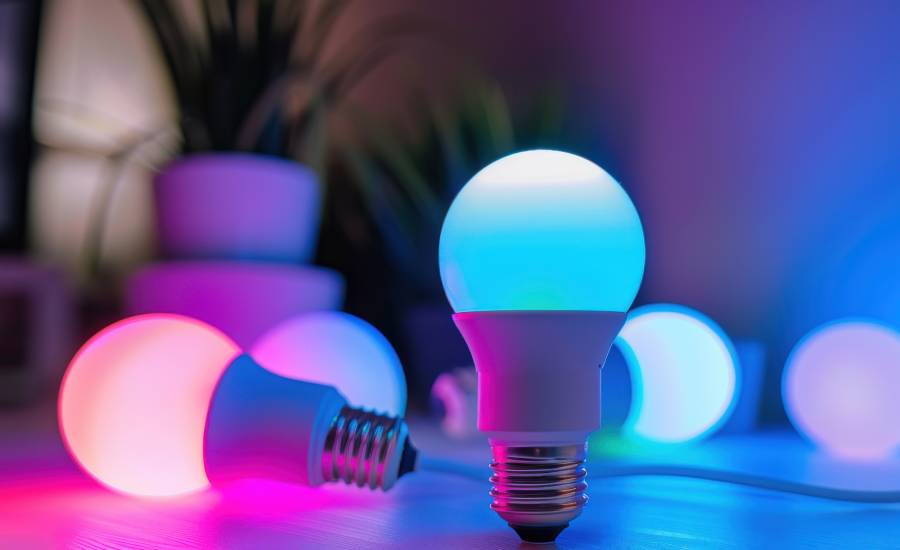
1. LED Bulbs
LED bulbs are best for quick upgrades. Use them in lamps, basic ceiling fixtures, and common holders. Great when you just want a simple swap.
2. LED Panel Lights
Best for clean, even light, especially in kitchens, offices, and modern spaces. They reduce shadows and spread light smoothly. If you’re looking for clean, flicker-free light for an office or kitchen, check out Hyundai LED Panel Lights. Many panel lights spread light more evenly than spot-style fixtures, which can help reduce shadows in large rooms. Check the model’s beam angle on the datasheet.
3. LED Strip Lights
These LED Strip lights are best for accents, behind TVs, under cabinets, around mirrors, and along shelves. They’re not always “main lighting,” but they make a room feel finished.
Quick “beam angle” tip
- Wide beam = better for general room lighting
- Narrow beam = better for highlighting art, shelves, or specific corners
This matters a lot for track lights and spot-style fixtures.
Buying Checklist: What to Look for
Now that you know what lighting should feel like, here are the specs that make a real difference when you’re trying to choose the right LED light for a room. Check the model’s datasheet on the product page before you buy.
1. CRI (Color Rendering Index)
CRI tells you how natural colors look under the light. Aim for CRI 80+ for most rooms. Go CRI 90+ if you care about makeup, clothing colors, or a premium look.
2. Dimming Compatibility
If you want dimmers, don’t guess. Use dimmable LEDs only with LED-compatible dimmers. This single detail prevents flicker complaints.
3. Clear Fixture Guidance
Check whether the light is suitable for enclosed fixtures, high ceilings, and moisture areas (bathrooms/outdoors).
4. A Real Warranty
A clear warranty is a quality signal because it shows the brand expects the product to last.
Voltage, Heat, and UPS/Inverter Use
The power conditions and summers change the game. If you deal with voltage swings, heat, or UPS/inverter setups, look for LEDs that list features like:
- Wide-voltage input (some Hyundai models list 175V–275V)
- Better heat handling (materials like aluminum in the body can help pull heat away)
- Low THD for cleaner power (some models list THD <15%, which can be helpful for sensitive setups)
One important note: These specs can vary by model. For your content, it’s safest to say to check the model’s datasheet/specs, so you stay accurate and trustworthy.
How Many LED Lights Are Needed Per Room?
Let’s calculate it by using a simple formula.
- Room area (sq. ft.) × lumens per sq. ft. = total lumens needed
- Total lumens ÷ lumens per bulb = number of bulbs/fixtures
Quick examples
Bedroom (12×12 = 144 sq. ft.)
- 144 × 15 = 2,160 lumens
- 2,160 ÷ 800 ≈ 3 bulbs/fixtures (often: 1 ceiling + 2 lamps)
Kitchen (10×12 = 120 sq. ft.)
- 120 × 35 = 4,200 lumens
- 4,200 ÷ 1,000 ≈ 4 fixtures (panels/downlights + under-cabinet strips)
Final Take
Now that you’ve walked through lumens, Kelvin, placement, and buying specs, you can see the real secret: good lighting is layered, not loud.
If you remember just three things, you’ll always know how to choose the right LED light for a room: pick brightness by lumens, not wattage, pick comfort by Kelvin (warm for rest, neutral for work), and pick quality using CRI + dimming compatibility + clear fixture guidance. These lumen and Kelvin ranges are standard planning targets used in home lighting guides; exact needs vary based on wall color, ceiling height, and fixture design.
Frequently Asked Questions (FAQs)