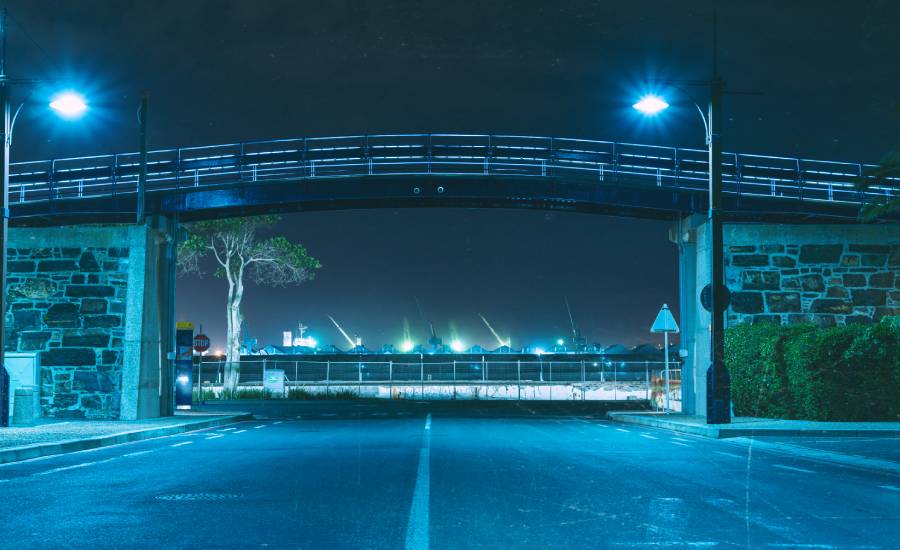
The best outdoor security LED lights are bright, weatherproof, and clear enough for cameras, with 4000K–5000K light, IP65+ protection, and the right lumens for your space. Take a moment to walk outside tonight and view your property through the eyes of a stranger. You’ll likely notice that poor lighting creates dangerous hiding spots and grainy, unusable camera footage, two major safety risks for any homeowner. Identifying and installing the best outdoor security LED lights eliminates these vulnerabilities, ensuring your home is both a deterrent to intruders and a haven for your family.
And here’s the thing: picking the right outdoor lights isn’t just about illumination; it’s about removing hiding spots, helping cameras see clearly, and keeping them working in rain and heat without turning your home into a stadium.
Best Outdoor Security LED Lights (Quick Answer)
- The best outdoor security LED lights are bright enough to remove shadows, clear enough for cameras, and weatherproof for year-round use.
- For most homes, aim for 4000K–5000K, IP65+, and the right lumens for your space.
- 800–1,200 lumens for entrances
- 2,000–5,000 lumens for driveways and wide areas.
Why LEDs Are the Best Choice for Outdoor Security
Once the checklist is clear, the next question is: why does LED beat older options for security?
LEDs give you strong brightness while using less electricity, which is a big deal when lights run for hours every night. They also last much longer than old-style bulbs, so you’re not replacing lights every few months.
The U.S. Department of Energy explains that LEDs are more energy-efficient and produce far less wasted heat than older bulb types, which makes them a smarter fit for long-hour outdoor lighting.
They’re ideal for driveways, parking spaces, boundary walls, and backyards, anywhere you want wide coverage without installing multiple small lights. They’re bright, efficient, and reliable when chosen well.
Security lights also come down to how they’re powered. Hardwired outdoor security LED lights are usually the most reliable because they give steady brightness all night.
Plug-in options work well if you want easier installation, while solar lights are helpful where wiring is tough, but their brightness and runtime depend on how much sun they get during the day.
How Many Lumens Do You Need for Outdoor Security LED Lights?
Since the LED is the right base, the next step is choosing the brightness that matches your space. Brightness is measured in lumens, not watts. And for security lighting, the goal isn’t “make it bright.” The goal is to reduce shadows and blind spots.
Brightness works best when the light is mounted and aimed the right way. If it’s too low, you get glare and patchy coverage; if it’s too high or pointed wrong, you can still end up with dark pockets. Angle it slightly downward so it covers the ground and walls instead of shining straight into the eyes.
1. Entryways and Small Areas
If you’re lighting a front door, side door, or small porch, 800–1,200 lumens usually does the job. It makes faces visible and helps you move safely without harsh glare.
This is where a lot of people overdo it, and the light ends up feeling annoying instead of protective.
2. Driveways, Garages, and Larger Yards
If you’re lighting a driveway, garage, backyard, or boundary wall, you’ll usually want 2,000–5,000 lumens, depending on area size. This is the range where shadows shrink, and cameras capture cleaner footage.
And once brightness is handled, your next security upgrade is about behavior, how the light turns on.
| Area | Helps with | Quick tip |
| Gate/entrance | Clears shadows | Aim down, avoid glare |
| Driveway | Covers a wide area | 1 strong or 2 smaller lights |
| Garage | Shows movement | Cover path + corners |
| Perimeter | Removes dark edges | Space lights evenly |
| Side passage | Spots narrow movement | Mount lower, aim down |
| Backyard corners | Covers blind spots | Point into corners |
| Paths/steps | Prevents slips | Use soft path lighting |
Motion Sensor vs Dusk-to-Dawn: Which Is Better for Security?
Now that you know how bright to go, the real question becomes: do you want the light to react, or stay on?
Both can work, but they solve different problems.
1. Motion Sensor LED Security Lights
Motion sensor LED security lights stay off quietly and then snap on when movement is detected. That sudden switch is powerful because it grabs attention and removes the “I can sneak around” feeling.
Look for models that let you adjust the range, sensitivity, and how long the light stays on after motion is detected.
Motion detectors feel “smart” only when they’re adjusted properly. Range controls how far movement is detected, sensitivity helps stop false triggers from cats or passing cars, and the timer decides how long the light stays on. If your light keeps turning on for no reason, the fix is often lowering the sensitivity, not replacing the whole unit. This helps you avoid false triggers from cats, trees, or passing cars.
2. Dusk to Dawn LED Security Lights
If you want steady coverage all night, dusk-to-dawn LED security lights turn on automatically at sunset and turn off at sunrise. They’re great for perimeter lighting, boundary walls, and areas where you always want visibility.
3. The Best Setup (Layered Security Lighting)
For most homes, the strongest setup is dusk-to-dawn for steady visibility, plus a motion sensor light as the ‘alert’ layer when someone enters.
And once you decide the behavior, the next thing is coverage, how wide the light spreads.
LED Security Flood Lights for Wide Coverage
After brightness and control, you’ll want coverage that makes your outdoor space feel complete.
This is where LED security flood lights shine. They spread light across a wide area, making them ideal for:
- driveways
- parking spaces
- boundary walls
- backyards
Instead of installing five small lights that still leave corners dark, one well-placed floodlight can cover a bigger zone.
One quick mistake to avoid: if the beam points into a camera lens, you’ll get glare and worse footage. A slight downward tilt usually fixes it.
And once your space is covered, your next decision is something people ignore too often: the color of the light.
Color Temperature: Why Cool White Feels Safer
Once coverage is right, the light color is what decides whether the space looks clear or muddy.
For security, cooler light is usually better because it boosts contrast and detail. That’s why many people prefer 4000K–5000K for outdoor security zones, especially near cameras.
Warm light can look cozy, but it can also soften details. For security lighting, clarity usually wins.
And once the light looks right, the next concern is whether it survives the weather.
Waterproof Outdoor Security LED Lights
With the lighting performance sorted, durability is what protects your investment.
Outdoor lights face rain, dust, humidity, and heat. So yes, waterproof LED security lights are a must if you don’t want early failure.
For most homes, look for IP ratings that are IP65 or higher. In simple terms, IP65 means the light is sealed for outdoor dust and rain exposure.
If you live in a place with heavy storms, wind-driven rain, or very exposed mounting spots, going higher than IP65 can be worth it. Also, check that the cable entry and rubber gasket are properly sealed, because most water damage starts where wiring enters the fixture.
And once weatherproofing is covered, the last step is picking quality features that reduce problems later.
Buying Checklist for the Best Outdoor Security LED Lights
Once you’ve handled brightness, control, coverage, color, and weatherproofing, use this checklist before you buy.
Check these things first:
- Brightness in lumens, weatherproofing (IP65+), and light color (around 4000K–5000K for clarity).
- Then look at build quality, because a sturdy body usually handles outdoor heat and weather stress better over time, especially in exposed areas.
- If your area has power swings, choose a model that mentions protection or voltage stability on the spec sheet.
- Finally, treat warranty as a quality signal, because better-built lights usually come with clearer warranty terms.
And once you buy the right light, placement is what makes it work like security, not decoration.
Where to Install Outdoor Security LED Lights
Now that you know what to buy, let’s make sure you don’t place it in a way that creates new shadows.
Start with the driveway or gate (first entry point), then your main entrance, then side pathways (common blind spot), and finally backyard corners where people often hide because no one looks there.
A simple trick: walk around your house at night with the lights on. Wherever you feel your eyes “strain” to see, that’s where your security lighting is weak. Aim matters as much as brightness.
Mount the light high enough to cover the area, then tilt it slightly downward so it lights the ground and walls without shining into eyes. This also helps cameras capture clearer footage instead of glare.
Final Thoughts
Now you know that what really matters, the “best” choice isn’t a brand name, it’s the right match of brightness, coverage, durability, and placement.
If you keep just three things in mind, you’ll choose the best outdoor security LED lights without overthinking, pick lumens based on your space, use motion sensors or dusk-to-dawn, based on your routine, and don’t compromise on weatherproofing (IP65+)
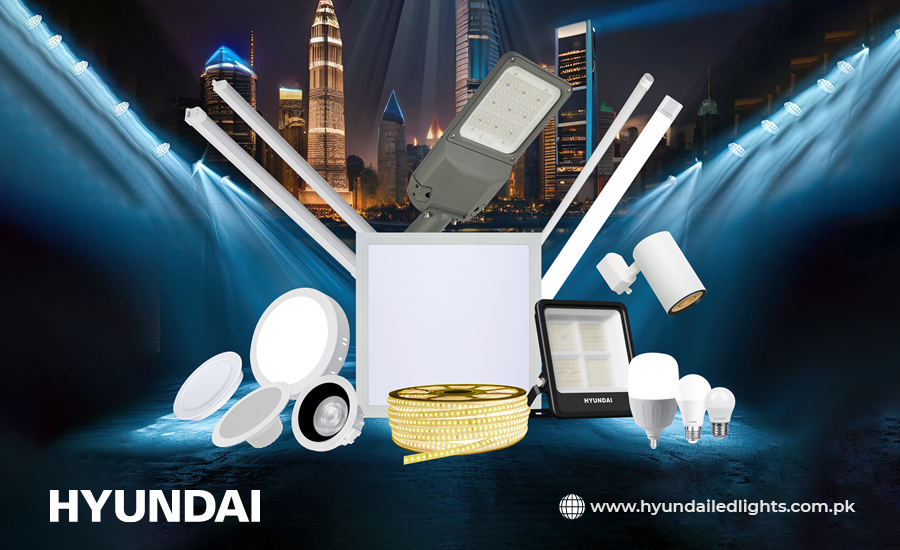
If you’re browsing Hyundai options, you can filter by flood lights, panel lights, or other outdoor fixtures. Just make sure the model specs match your location and mounting spot.
Frequently Asked Questions (FAQs)