If you’re planning outdoor lighting, you’ve probably wondered if LED flood lights can handle extreme heat and heavy rain without failing when you need them most. It’s a fair concern. Outdoor lights don’t get protection from the weather. They stay exposed to burning sunlight, heavy rainstorms, humidity, and dust almost every day.
The good news is that most modern LED flood lights are built to survive these conditions. But here’s something you should know: not every floodlight performs the same way. Once you understand how it actually works, you can choose lighting that stays reliable instead of giving you headaches later.
Are LED Flood Lights OK?
Yes, most LED flood lights are OK for outdoor use, even in heat and heavy rain, as long as you choose the right rating and install them correctly. For reliable performance, look for an IP65+ weatherproof body, a solid heat-sink (aluminum) design, and proper airflow around the fixture. If your area has voltage swings or frequent storms, choosing a model with wide-voltage support and surge protection helps prevent flicker and early failure.
Why Outdoor LED Flood Lights Face Extreme Heat and Rain
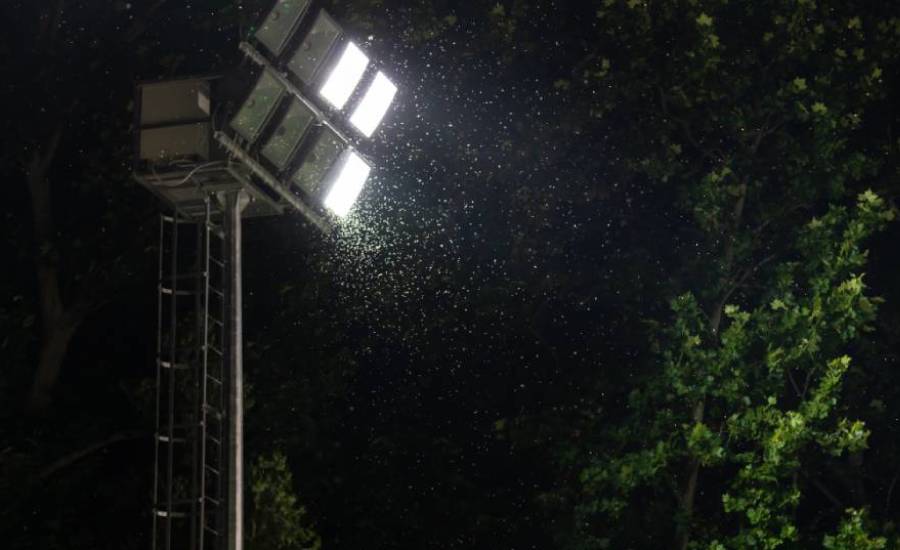
Before we talk about durability, think about where you usually install flood lights. You place them outside your home, near parking areas, or around building exteriors. That means your lights stay directly under sunlight for hours and then suddenly face rain or humidity.
Because of this constant exposure, choosing the right outdoor floodlight matters more than people think. Cheap or poorly built lights might look fine initially, but they often lose brightness or stop working when the seasons change.
When you choose weatherproof lighting, you are not just buying brightness. You are protecting yourself from repeated replacements, maintenance costs, and unexpected lighting failures.
Heat: What Temperature Can LED Floodlights Handle?
Once you understand outdoor exposure, heat becomes your biggest worry, especially if you live in areas where summers feel intense. You might wonder whether your flood lights can survive long hours of sunlight without overheating.
The advantage of heat-resistant LED flood lights is that they naturally produce less heat than traditional bulbs. Older halogen flood lights waste energy by generating excess heat, which shortens their lifespan, but LEDs work differently. They convert most of the energy into light, which keeps the internal temperature lower.
Many outdoor LED floodlights are rated for around -20°C to +40°C (sometimes higher), but it varies by model; always confirm the operating temperature range on the datasheet before buying.
Why Cooling Design Matters for You
You might not notice it immediately, but these lights include built-in heat sinks. The metal components pull heat away from internal electronics and release it into the air.
If your flood light lacks proper cooling, you may notice brightness fading or performance dropping over time. So, by choosing lights with strong cooling systems, you protect yourself from overheating problems and extend the life of your lighting.
Are LED Flood Lights Waterproof for Heavy Rain?
Heat is only one part of outdoor stress. Once summer ends, rain becomes the next challenge. You might wonder, are LED flood lights safe in heavy rain, or will water damage the electrical components?
Waterproof LED flood lights are designed specifically to handle rainfall. They have sealed enclosures that keep water out of the internal circuits. The IP rating tells you how much protection there is.
IP65 vs IP66 vs IP67 (Which One You Need)
To pick the right flood light, match the IP rating to your actual outdoor exposure:
- IP65: Dust-tight + protected against water jets. Best for most outdoor walls, gates, driveways, and general rain exposure.
- IP66: Dust-tight + protected against stronger water jets. Better for places that get heavy wind-driven rain, washdown areas, or very exposed mounting spots.
- IP67: Dust-tight + protected against temporary immersion. Choose this only if the light may face flooding, standing water, or water pooling risk.
IP Rating | Best For | What it handles |
IP65 | Most homes | Dust + rain/water jets |
IP66 | Very exposed areas | Stronger water jets |
IP67 | Flood-prone spots | Temporary immersion |
Why Material Quality Directly Affects Your Lighting Performance
While IP ratings protect the inside of your flood lights, the outer body still handles weather pressure. Outdoor LED flood light durability depends heavily on construction materials.
Most high-quality flood lights use die-cast aluminum bodies. These materials help your lights resist rust and release heat efficiently. Many flood lights also include tempered glass lenses that protect the LED chip from impact and sudden temperature changes.
If you choose floodlights that are made with low-quality materials, they may trap heat or allow moisture to enter. As time goes by, this reduces brightness and shortens lifespan. When you invest in weatherproof outdoor LED floodlights, you are choosing long-term reliability.
Do LED Flood Lights Overheat If Left On All Night?
After understanding heat and rain protection, another concern usually comes to mind, whether they overheat if left on all night.
The answer is usually no, if you install them correctly. LED floodlights are usually reliable for long hours because they run cooler than traditional halogen lights. That makes them ideal for security lighting, commercial areas, and outdoor workspaces.
However, it really matters how you install them. If your floodlights are placed inside enclosed spaces without airflow, definitely, heat buildup will increase. Allowing proper ventilation helps maintain floodlight temperature tolerance and improves lifespan.
How to Choose the Most Durable LED Floodlight
- IP Rating: Choose IP65 or higher for outdoor rain and dust exposure.
- Heat Management: Look for a strong heat sink and metal body (often aluminum) to help pull heat away.
- Voltage Stability: If your area has power fluctuations, check for wide-voltage support or built-in protection (model dependent).
- Driver Quality: A stable driver helps reduce flicker and improves long-hour performance.
- Color Accuracy (CRI 80+): Helps colors look more natural under the light (useful for entrances and CCTV areas).
- Temperature Rating + Lifespan: Always confirm the operating temperature range and rated life on the model datasheet.
- Warranty: Warranty terms can vary by product line; confirm at purchase.
Installation Tips That Prevent Failures
Rain protection solves one part of the problem, but storms often bring another hidden risk, electrical surges. Heavy rain and lightning can cause sudden voltage fluctuations.
A floodlight with surge protection helps protect the driver and LEDs from sudden voltage spikes. This prevents flickering, electrical failure, and safety hazards during extreme weather.
Using weatherproof connectors and sealed wiring when you install it also makes outdoor lighting protection safer. These little choices will help your flood lights work well for a long time.
Installation Mistakes That Kill Outdoor Floodlights
- Mounting too close to a ceiling/roof (heat can’t escape)
- Leaving wiring joints unsealed (moisture creeps in)
- Aiming the light where water pools around the cable entry
Conclusion
As we talked about above, outdoor lighting isn’t just about how bright it is; it’s also about how reliable it is in situations you can’t control. You expect outdoor lighting to work even when it’s hot, rainy, or stormy. That’s why knowing how LED flood lights work in extreme heat and rain can help you make better lighting choices for the long term.
High-quality LED floodlights can handle weather challenges through cooling systems, weatherproof materials, and strong IP protection. When you pay attention to these features, you are not just buying lights; you are choosing stability, safety, and peace of mind for your outdoor spaces.
The key is simple. When you invest in durable, properly rated flood lights and install them correctly, you reduce maintenance worries and ensure consistent performance throughout the year. Reliable outdoor lighting does more than improve visibility; it protects your property, improves security, and saves you money over time.
Frequently Asked Questions (FAQs)