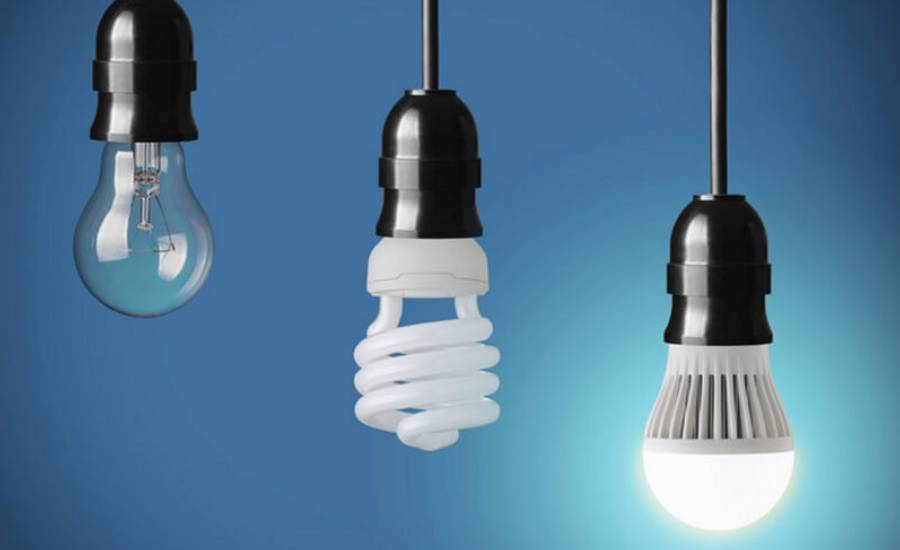
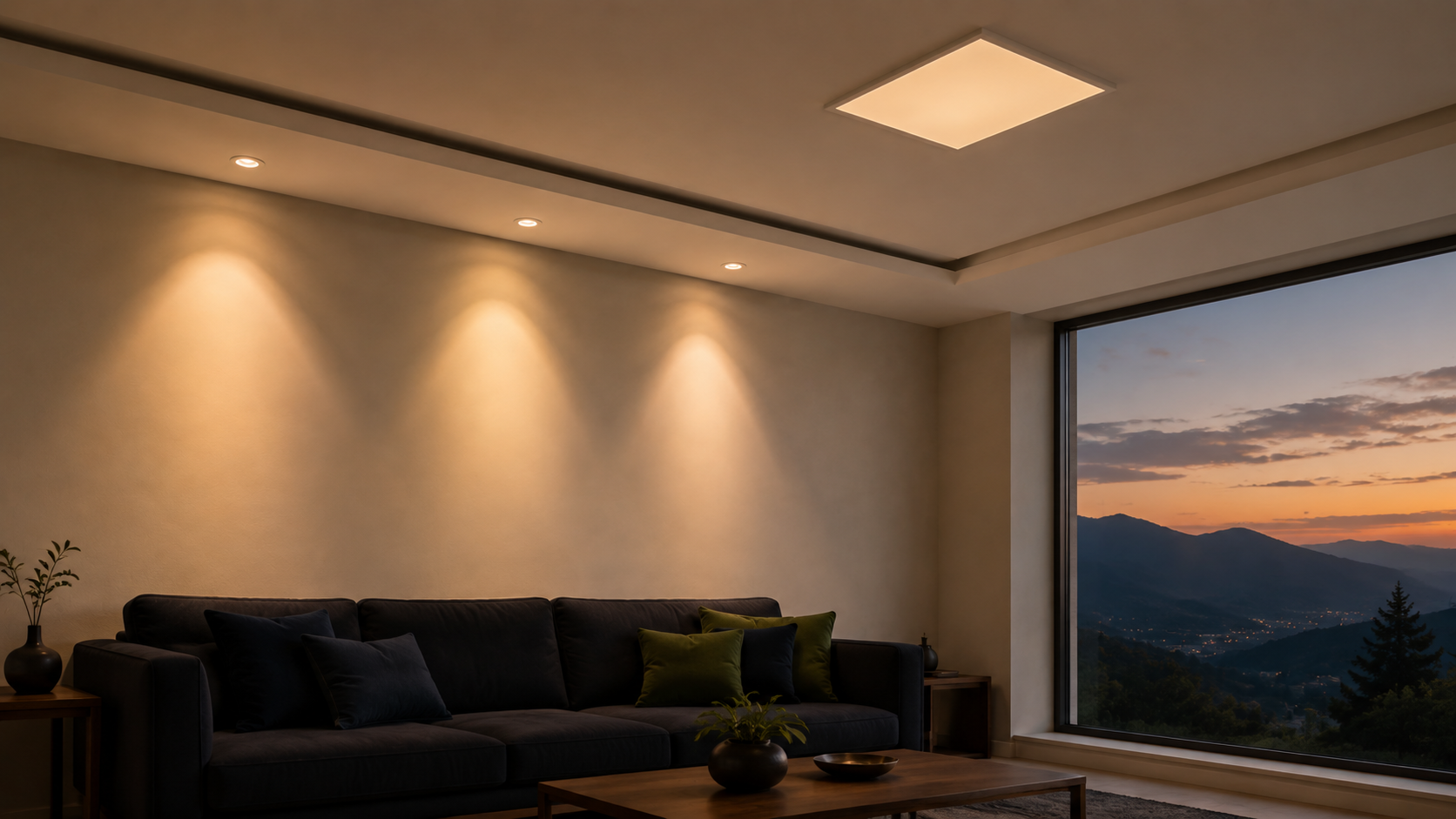
If you are wondering which LED lights help reduce electricity bills in Pakistan, the short answer is simple: LED bulbs, SMD downlights, panel lights, and motion-sensor floodlights usually deliver the best results. That is because good LEDs use far less energy than old incandescent bulbs, and residential LEDs can use at least 75% less energy while lasting much longer.
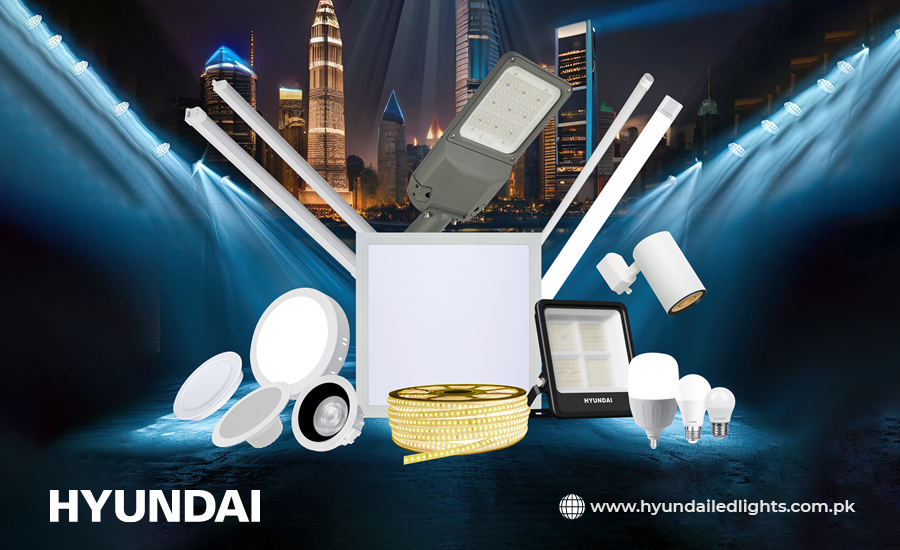
And because most real savings start inside the home, the smarter move is not just “buy LEDs.” It is choosing the right indoor lights in Pakistan for each room. Hyundai Power Pakistan’s lighting range covers LED bulbs, panel lights, SMD downlights, COB spot lights, flood lights, strip lights, and surface panels, which makes that room-by-room choice much easier for buyers.
Best LED Lights In Pakistan For Lower Electricity Bills
Once the basic answer is clear, the next step is knowing which light works best where. That is where most homeowners save money faster.
For most homes, the smartest mix looks like this:
- LED bulbs for bedrooms, lounges, and everyday rooms
- SMD downlights for false ceilings, kitchens, hallways, and washrooms
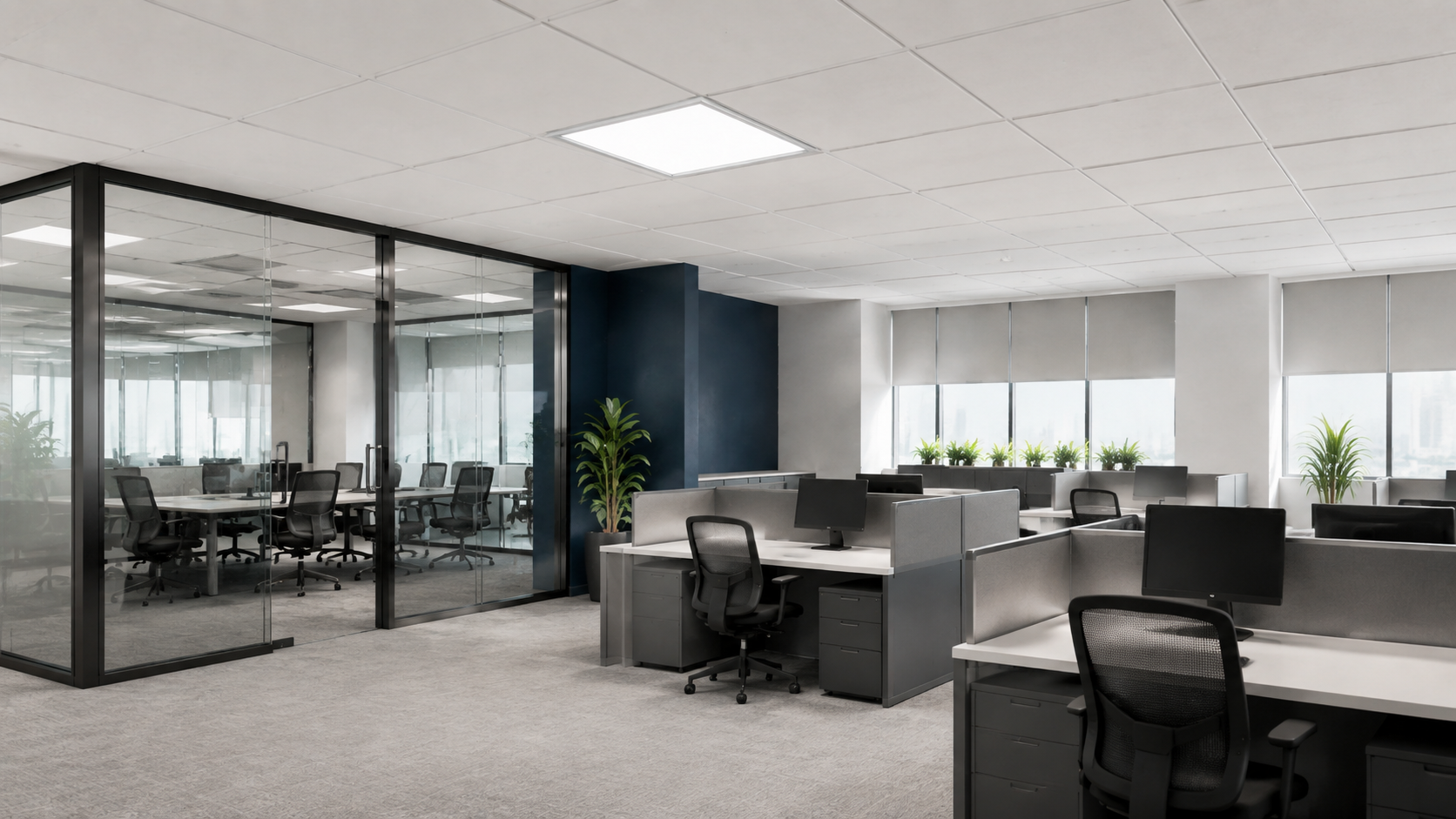
- Panel lights for studies, offices, and larger rooms
- Motion-sensor floodlights for gates, garages, and driveways
- COB spotlights for shelves, displays, and accent areas only
The key point is simple. The best LED is not the one with the biggest wattage number. It is the one that gives you the brightness you need with the lowest practical power use, which is why the U.S. Department of Energy tells buyers to think lumens, not watts.
Why Energy-Saving LED Lights Matter More In Pakistan
That rule matters everywhere, but it matters even more in Pakistan because every saved unit becomes more valuable as your usage climbs. NEPRA’s 2026 domestic tariff schedule shows variable charges rising from Rs 33.10/kWh for 201–300 units to Rs 36.46 for 301–400 units and Rs 47.20 for units above 700. So the same LED switch saves more money in higher-usage homes than many buyers expect.
There is also the summer factor that people often miss. Incandescent bulbs release about 90% of their energy as heat, while LEDs use much less energy overall. In practical terms, older bulbs do not just increase lighting costs. They also add indoor heat, which can make fans and ACs work harder in hot weather.
And then there is a very local headache: voltage fluctuation. In areas where supply dips or jumps, it helps to check for wide-voltage or multi-voltage support on the box. Reputable LED specifications often show input ranges like 100–240V, which is a useful screening clue for buyers dealing with unstable supply.
Room-By-Room Guide To Choosing The Right LED Light In Pakistan
With the local context in place, choosing the right fixture gets much easier. This is where the buying decision stops being random and starts becoming practical.
| LED Type | Best For | Why It Helps |
| LED Bulbs | Bedrooms, lounges, kitchens | Fast and affordable replacement for old bulbs |
| SMD Downlights | False ceilings, hallways, and washrooms | Focused light with lower power use |
| Panel Lights | Study rooms, offices, and larger rooms | Soft, even illumination across the space |
| COB Spot Lights | Shelves, counters, feature areas | Focused lighting without over-lighting the room |
| Motion-Sensor Floodlights | Gates, garages, driveways | Cuts wasted run time outdoors |
1. LED Bulbs For Everyday Rooms
For most homes, LED bulbs are still the best first step. They are the easiest swap in rooms that stay lit the longest, which is why they usually deliver the fastest visible savings.
2. SMD Downlights For False Ceilings
That everyday use leads naturally to ceilings, especially in Pakistani homes, where false ceilings are common. Hyundai describes SMD downlights as energy-efficient lighting that provides focused, direct illumination for homes, offices, and commercial spaces, which makes them a strong fit for kitchens, corridors, and ceiling cutouts.
3. Panel Lights For Studies And Offices
Where downlights handle focused ceiling lighting, panel lights solve a different problem. Hyundai’s panel light range is built around broad, soft illumination, which is exactly why panel lights usually work better in studies and workspaces than spot-style fixtures.
4. COB Spot Lights For Accent Areas
COB spotlights still have a place, but that place is not whole-room lighting. They work best for displays, shelves, counters, and feature areas where you want focused light instead of wide room coverage. Hyundai’s lighting categories position COB products alongside other specialized fixtures, which fits that accent role well.
Common Buying Mistakes When Choosing LED Lights In Pakistan
Once the fixture type is sorted, the next mistake usually happens at the shelf. Most buyers still compare bulbs by watts only, but watts tell you energy use, not brightness. Lumens tell you how much light you are actually getting.
Here is the quick replacement guide:
| Old Bulb | Target Brightness |
| 40W incandescent | About 450 lumens |
| 60W incandescent | About 800 lumens |
| 75W incandescent | About 1,100 lumens |
| 100W incandescent | About 1,600 lumens |
That one shift helps buyers avoid overpaying for high-wattage, low-efficiency bulbs that sound powerful but do not actually perform better.
The next mistake is ignoring product credibility. Pakistan’s Energy Label rules require covered products to meet Minimum Energy Performance Standards (MEPS) and use a 1-to-5-star efficiency system. So the energy label is not just a packaging detail. It is a useful trust signal when comparing products.
How Much Can LED Bulbs Reduce Electricity Bills In Pakistan?
Once the buying logic is clear, the rupee impact becomes easier to picture. If you replace one old 60W bulb with a 9W LED and run it for about 6 hours a day, you save roughly 9.18 units per month. Using NEPRA’s current variable domestic rates, that works out to about Rs 304 per month in the 201–300 unit slab and around Rs 433 per month in the above 700 unit slab.
That does not mean one bulb will magically transform the whole bill overnight. But it does show why five or six daily-use bulbs can make a real difference, especially in homes already sitting in higher slabs.
How To Choose The Right Energy-Saving LED Light
The good thing is that the buying process does not have to be complicated.
Start with the rooms you use most. Bedrooms, lounges, kitchens, and hallways usually give the fastest return because the lights stay on longer.
Then match the fixture to the space. Use bulbs for daily-use rooms, downlights for false ceilings and focused areas, panel lights for study or office spaces, and motion-sensor floodlights for outdoor security.
After that, compare lumens, wattage, energy label, color temperature, and voltage range before you buy. A cheap bulb is not a bargain if it flickers, overheats, or fails early.
And this is where Hyundai’s range becomes more relevant than a generic “buy LED” suggestion. When one brand already offers bulbs, downlights, panel lights, and outdoor floodlights in one place, it becomes easier to build the right room-by-room setup instead of mixing random products that may not suit the job.
Frequently Asked Questions (FAQs)