hyundailedlights

Types of LED Lights: Which One Suits Your Home or Office?

types of LED lights
Walk into any lighting market and you’ll see the problem straight away. Bulbs, panels, downlights, battens, flood lights, and every seller says his is the best. Most people just want to know what goes where.

So here’s a plain version. It covers the main types of LED lights in Pakistan, where each one makes sense, and a few things worth checking before you spend money.

Home

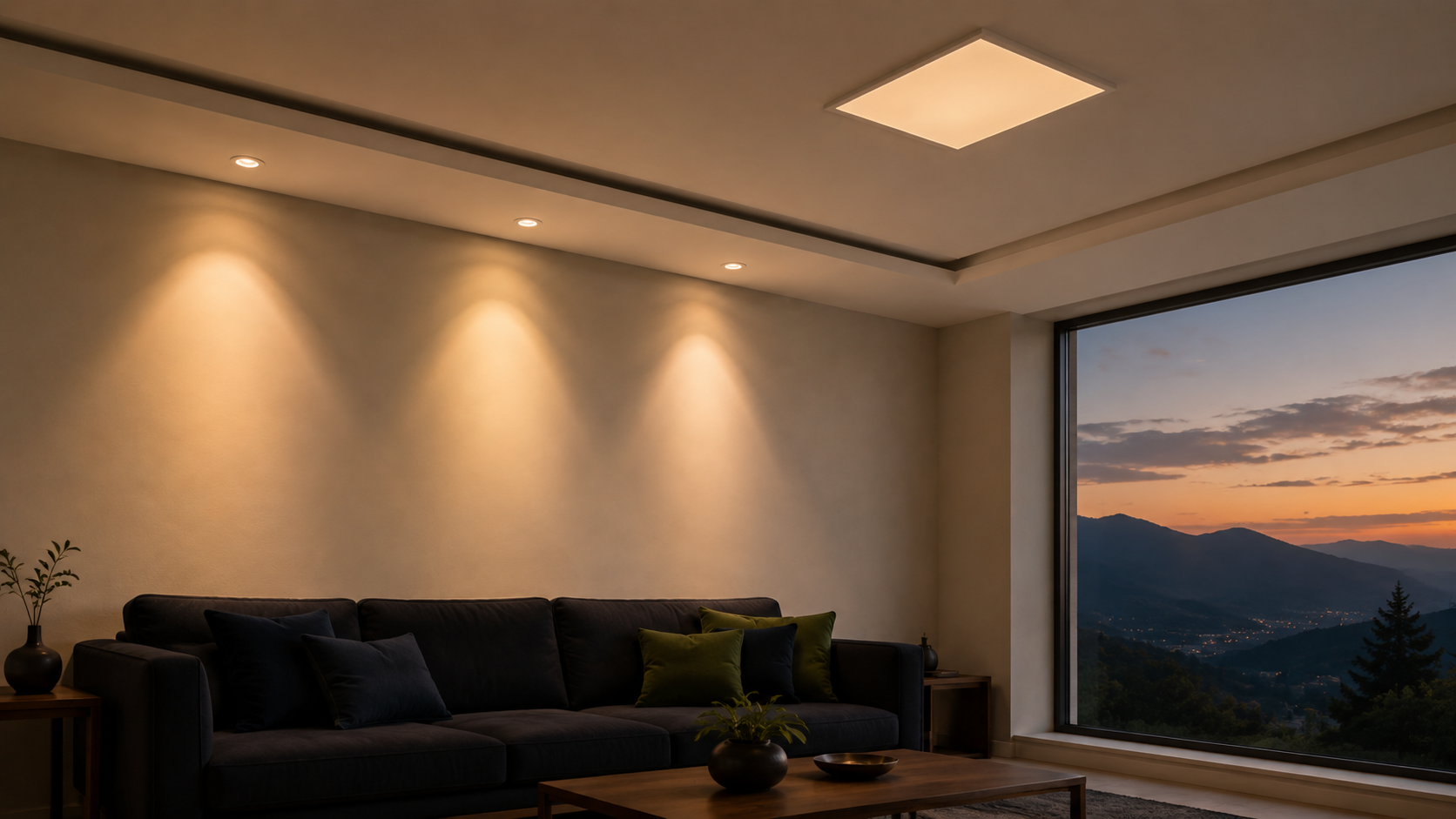
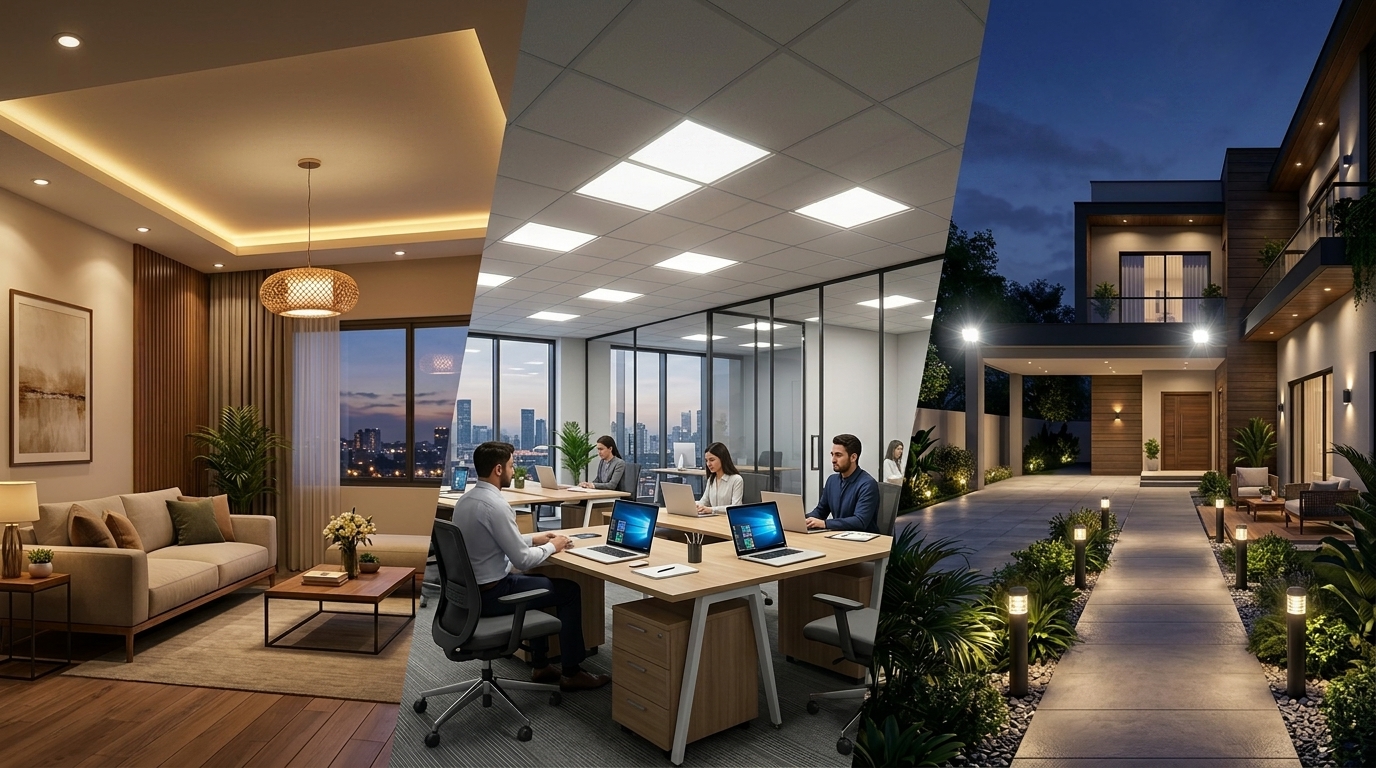
Bedrooms feel better with warm white, around 3000K. A simple bulb works, and so does a downlight if you have a false ceiling. Living rooms usually look best with recessed downlights, anywhere from 6W to 18W depending on how bright you want it. For something softer, run LED strip lights behind the TV unit or along the ceiling edge. They draw very little power.

Kitchens need whiter, brighter light because you’re cutting and cleaning there, so a tube light or panel is the better pick. Bathrooms are the one place you shouldn’t improvise. Buy fittings made for damp areas. Ordinary ones corrode and fail early.

Office and shop

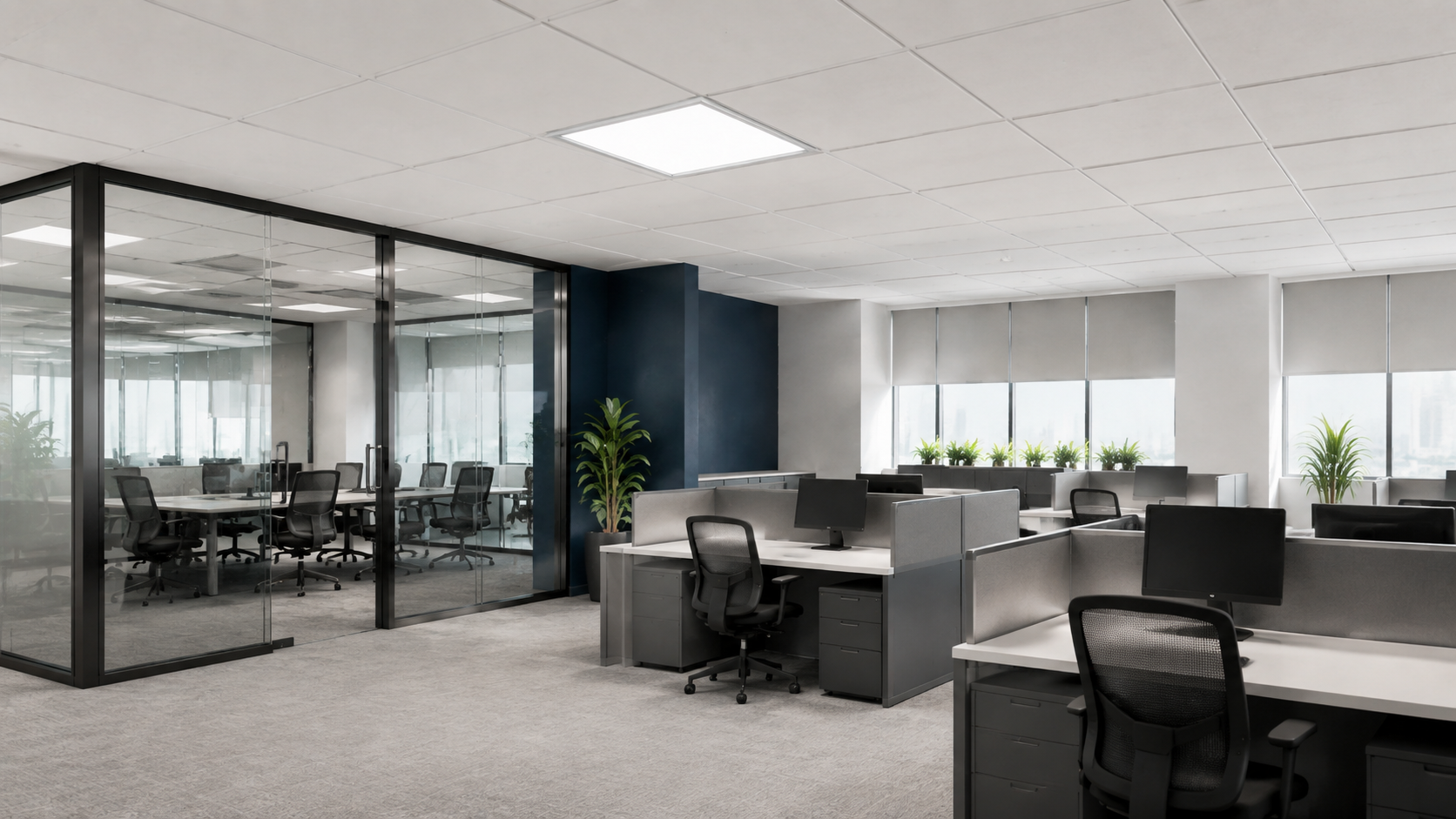
For an office ceiling, panel lights are the usual answer. They drop straight into the standard grid and spread light evenly over the desks. Go for cool white, 4000K to 6500K. Corridors, workshops and long narrow rooms are better served by tube or batten lights, since one fitting covers a long stretch.


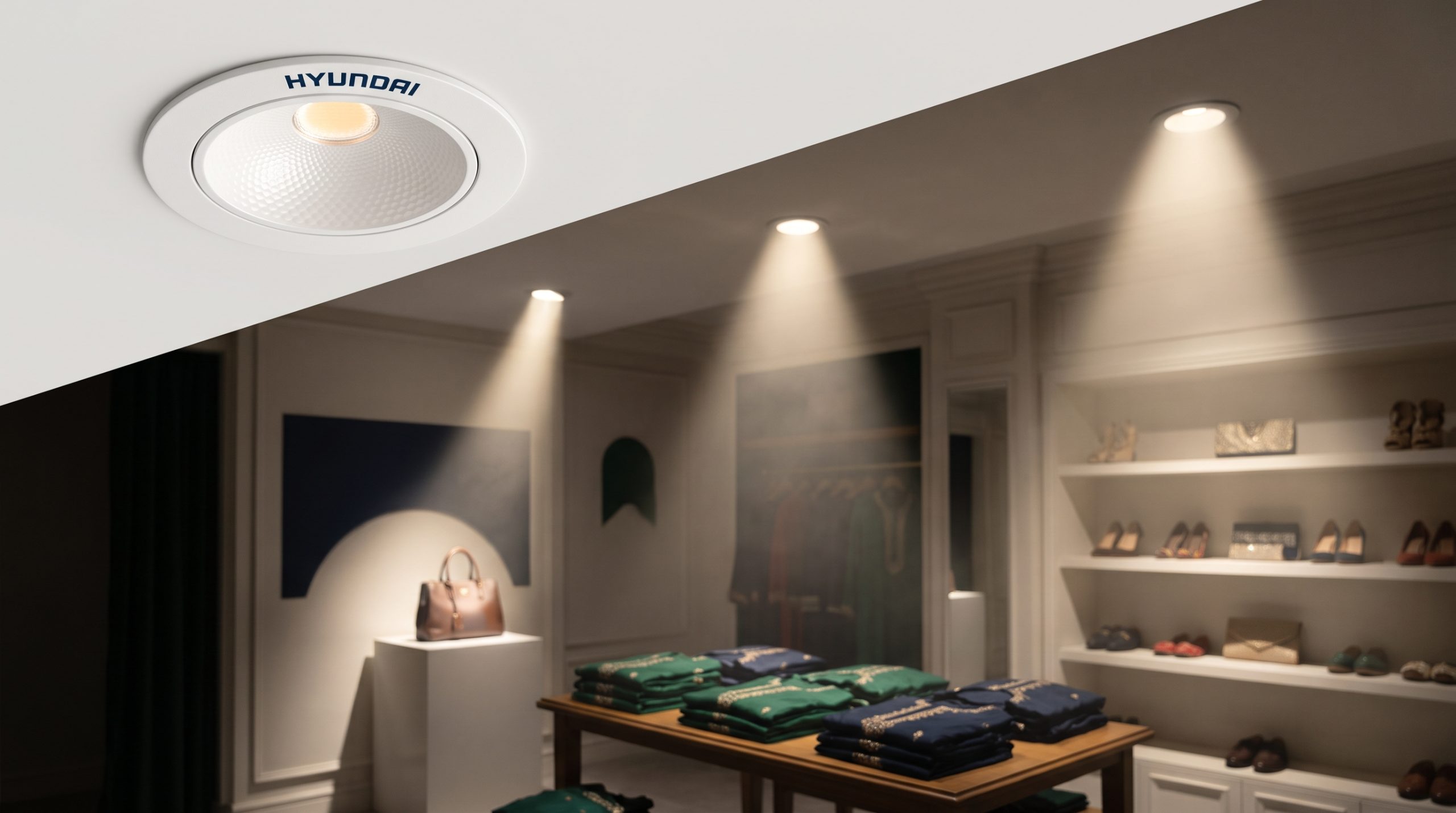
A showroom is a different job. Track lights let you aim light at a shelf or product wall instead of lighting the whole room. The 25W track light comes in 3000K, 4000K and 6500K, so pick the tone that suits what you sell.

Outside

Driveways and entrances usually need a flood light between 50W and 100W. Bigger spaces like yards and parking areas need 150W to 200W. Whatever you pick, check that it’s rated for rain and dust. An indoor fitting left outside through one monsoon will teach you why.

What actually kills LED lights here

Usually it isn’t the LEDs, it’s the power. Voltage jumps around on many local networks, and load-shedding switches lights on and off all day. The driver takes the hit. So ask about the driver’s input range. A wide range copes much better than one built for a steady 220V. Heat is the other killer. A fixture that can’t shed heat will dim early.

Before you buy

Look at lumens, not just watts. Watts tell you the running cost, lumens tell you how much light you get. Then check the colour temperature, the fitting type your ceiling needs, and who stands behind the warranty. A cheap light with no warranty is rarely cheap for long.

Price

There’s no single price for LED lights. A bulb and a 200W flood light are completely different products, and prices and stock change often. The product page is the place to check. You can start with the indoor lights or the outdoor lights and compare by type.

Frequently Asked Questions (FAQs)

Panel lights in cool white, or tube lights for corridors and workshops.

50W to 100W for a driveway or entrance, 150W to 200W for large areas.

A downlight is recessed and needs a ceiling cutout. A surface panel mounts on top, so nothing gets cut.

They use less power than older bulbs for the same light. How much you save depends on what you replace and how long the lights stay on.

OUR LATEST ARTICLES